<< Back
5 Anti-Inflammatory Foods That Can Ease Your Joint Pain
December 17, 2025
When your knees ache or your hands feel stiff, it’s easy to assume pain meds are your only option. But what if relief could start on your plate?
“Inflammation is part of your body’s natural response to injury or illness. It helps you recover,” says Jillian Wanik, RD, a registered dietitian with Hartford HealthCare. “But chronic inflammation can lead to serious health problems and is linked to numerous diseases.”
Chronic inflammation can quietly build over time, fueled by things like poor diet, stress, lack of movement, smoking and not enough sleep. Left unchecked, it’s linked to joint pain, osteoarthritis, heart disease, Type 2 diabetes and more.
But here’s the encouraging part: the right foods can help your body dial back inflammation.
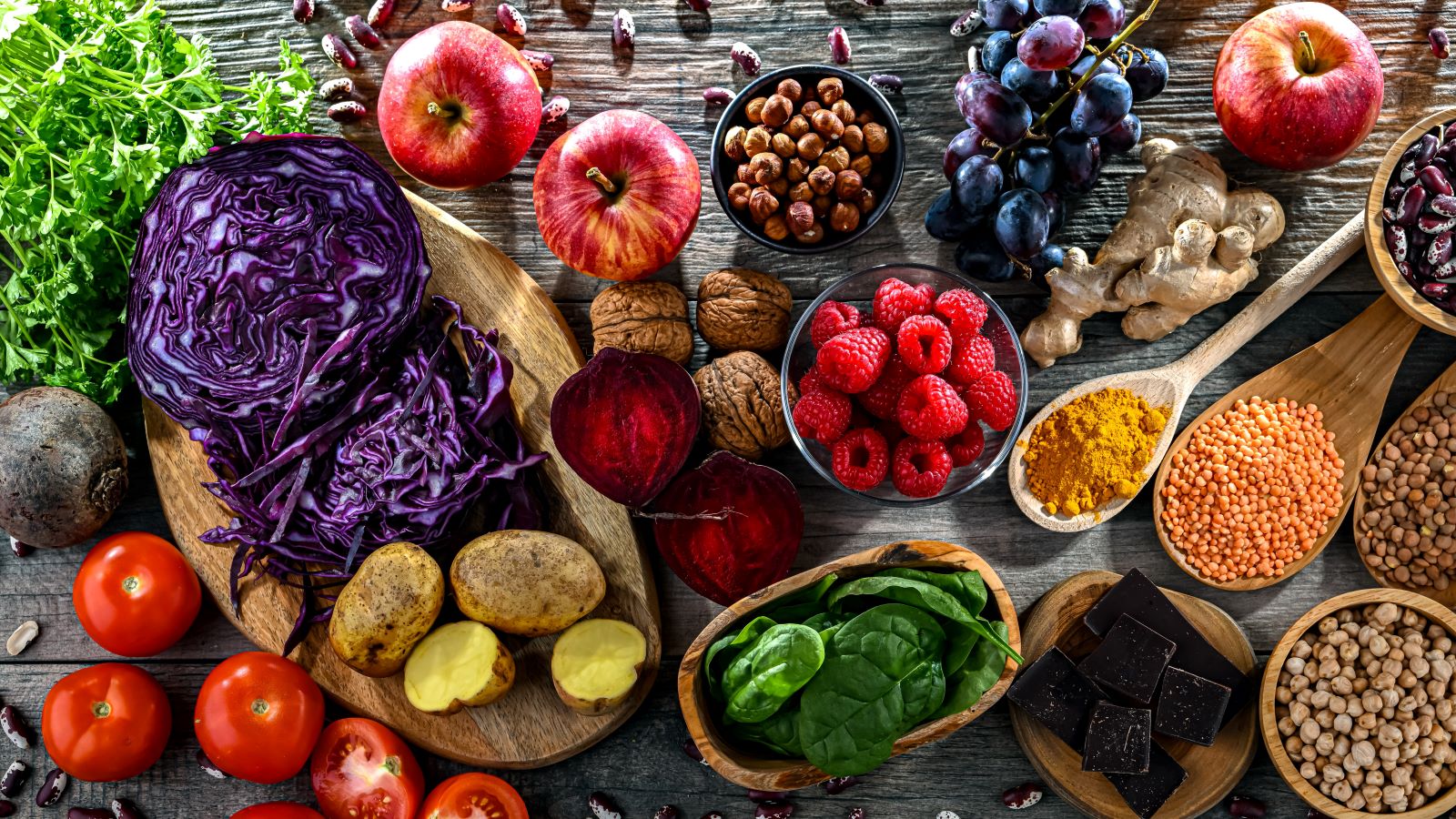
Here are five foods that may help fight joint inflammation — plus a few that could be making it worse.
1. Fatty fish, nuts and eggs
Salmon, sardines and tuna often top anti-inflammatory food lists for a reason. They’re rich in omega-3 fatty acids, which play a direct role in reducing joint inflammation and stiffness.
“These healthy fats have powerful anti-inflammatory properties,” says Wanik. “Try to include fatty fish at least twice a week. If you don’t like fish, a high-quality omega-3 supplement can be a good backup.”
You don’t have to rely on fish alone. Eggs, nuts and seeds like flax and hemp also provide healthy fats that support joint health. Small additions can make a difference over time.Try spreading a tablespoon of nut butter on apple slices or celery, or sprinkle ground flax seeds into yogurt, oatmeal or salads.
Just skip the fried fish and the heavily process nut snacks — they often contain oils that cancel out the benefits of omega-3s.
> Related: 5 Reasons to Get More Fish – And Omega-3s – In Your Diet
2. Berries
Berries may be small, but they’re also packed with antioxidants that help neutralize inflammation.
“Blueberries, strawberries, raspberries, cherries — they’re all rich in anthocyanins, which help protect your joints,” says Wanik. “Add them to your morning oatmeal, yogurt or smoothie for an easy boost.”
Anthocyanins help reduce oxidative stress, which plays a role in joint damage over time. Eating berries regularly can support mobility and may help ease everyday aches.
And yes, frozen berries work just as well as fresh. They’re often more affordable, last longer and retain their nutrients, making them an easy staple to keep on hand.
> Related: 6 Reasons to Eat More Blueberries
3. Leafy greens
Spinach, kale and broccoli earn their reputation as joint-friendly foods.
“These greens are full of vitamins C and K, along with compounds like sulforaphane, an antioxidant that fights inflammation and helps protect your cartilage and bones,” says Wanik. “They also provide fiber, which supports gut health, another key player in reducing inflammation.”
Fiber helps keep your digestive system balanced, which matters more than many people realize. Gut health influences inflammation throughout the body, including in your joints.
If salads don’t excite you, there are plenty of other options. Toss spinach into pasta or scrambled eggs, roast broccoli with olive oil or blend kale into a fruit smoothie to mellow the flavor.
4. Olive oil
The type of fat you cook with can either help or hurt joint health.
“Extra-virgin olive oil is one of the healthiest fats you can use,” says Wanik. “It’s rich in antioxidants like oleuropein, which have been compared to anti-inflammatory drugs such as ibuprofen — but without the side effects.”
Using olive oil regularly has been linked to lower inflammation and better joint comfort. Swap it in for butter when sautéing, drizzle it over vegetables or use it in salad dressings.
To get the most benefit, store olive oil in a cool, dark place and use it within three months of opening to preserve its antioxidants.
> Related: Which Cooking Oil Is Best for My Health (and My Food)?
5. Turmeric and ginger
These spices bring more than warmth and flavor to your meals.
“Turmeric contains curcumin, and ginger contains gingerol — both have been shown to reduce inflammation in the body,” says Wanik. “You can add them to soups, stir-fries or even tea.”
Both spices have been studied for their ability to ease joint stiffness and support overall inflammation control. Fresh or dried forms work, so use what fits your routine.
Bonus tip: Pair turmeric with black pepper to help your body absorb it better.
> Related: 5 Breakfast Ideas to Reduce Inflammation
And what about foods that make inflammation worse?
Just as some foods support your joints, others can quietly make symptoms worse.
“Highly processed foods, refined carbs, sugary drinks and fried foods can all trigger joint inflammation,” says Wanik. “It’s not about perfection, it’s about balance. Focus on whole, colorful foods most of the time, and your joints will thank you.”
The goal isn’t to eliminate these foods entirely. Instead, think about patterns. The more often whole foods show up on your plate, the more opportunity your body has to recover and feel better.
> Related: 5 Signs You’re Ready for Joint Replacement
How to make these changes stick
Eating for joint health doesn’t have to be complicated — or boring.
“Small changes really add up,” says Wanik. “Try adding one or two anti-inflammatory foods into your meals each day. Over time, you’ll notice the difference — not just in your joints, but in your overall energy and well-being.”